I-20 EAST
Pope Ariza | Daniel Byrd | Krista Clark
Alfred Conteh | Kole Nichols
September 12 – October 12, 2024
Travel Birmingham to Atlanta – or anywhere from Santa Monica to Myrtle Beach, for that matter – and you’re moving along I-20 East. For this eponymously titled exhibition, Scott Miller Projects presents works by five Atlanta-based artists exploring themes rooted in many ways in duality: identities and perceptions; abstraction and repetition; formality and universality; medium and limitation; and place and meaning.
This isn’t to imply an overarching sense of shared intent, nor to speculate on how these artists’ works intersect, but rather to highlight how each construct personally significant conceptual frameworks within and beyond that which each presents and represents.
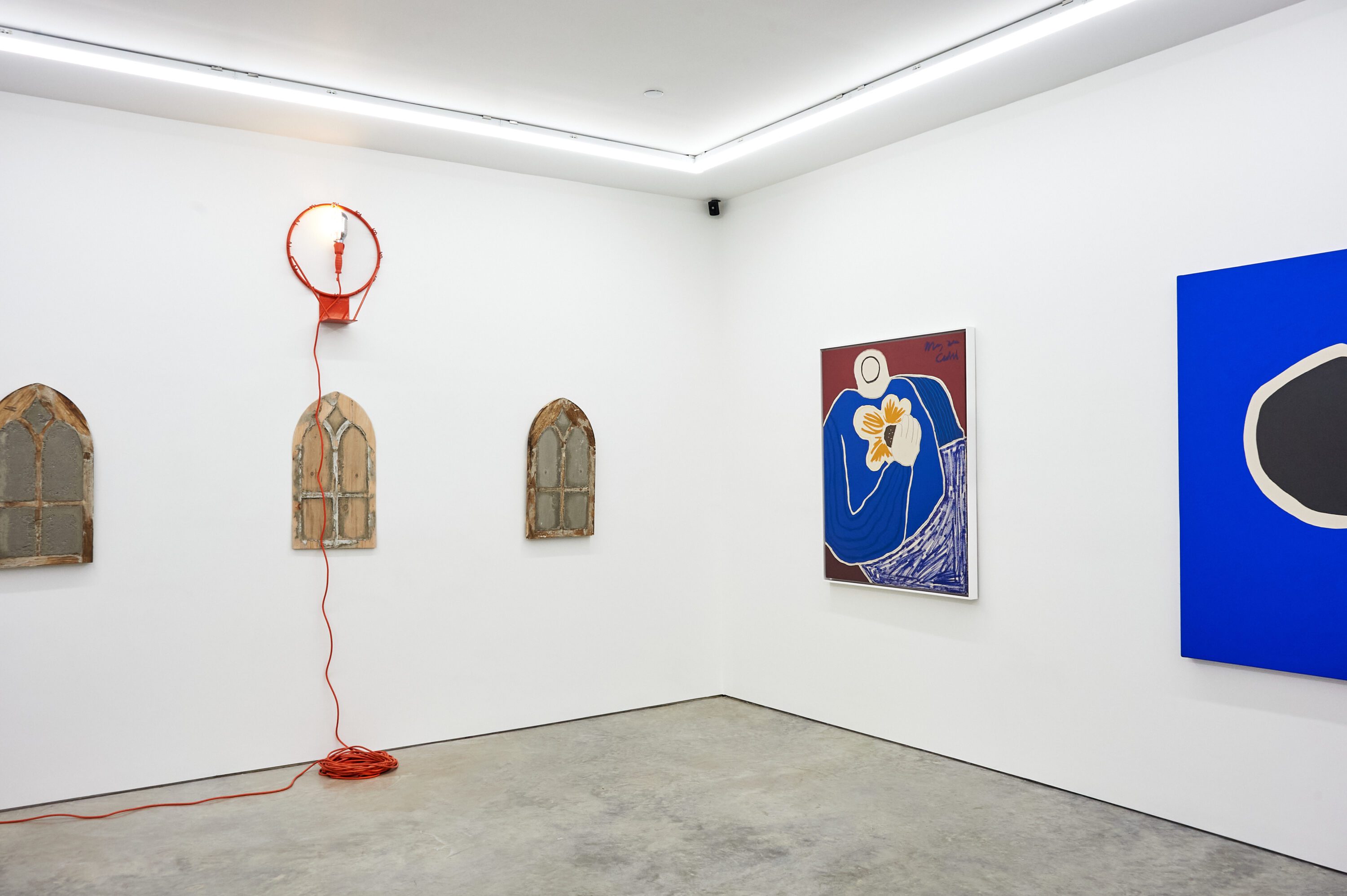
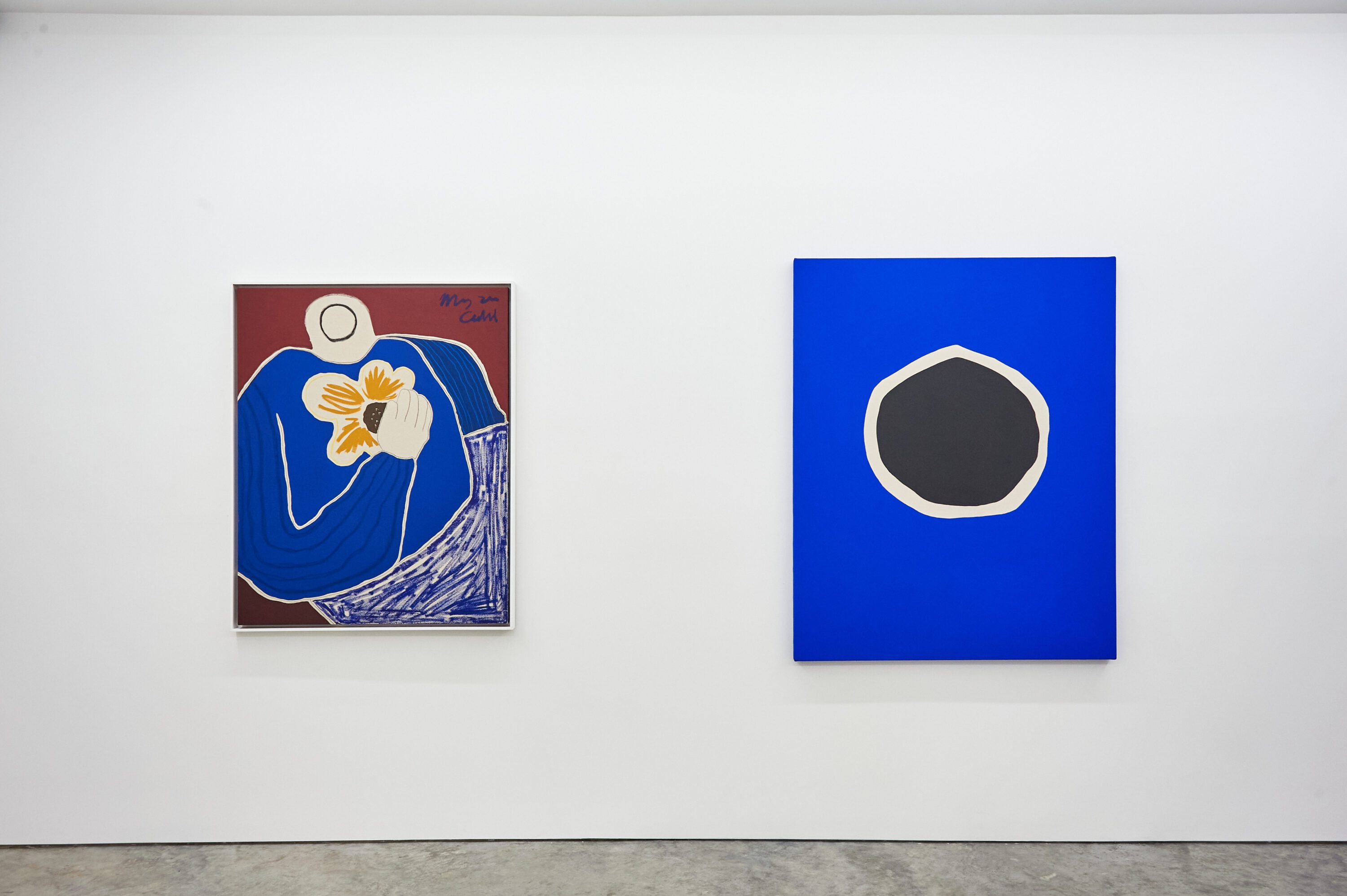
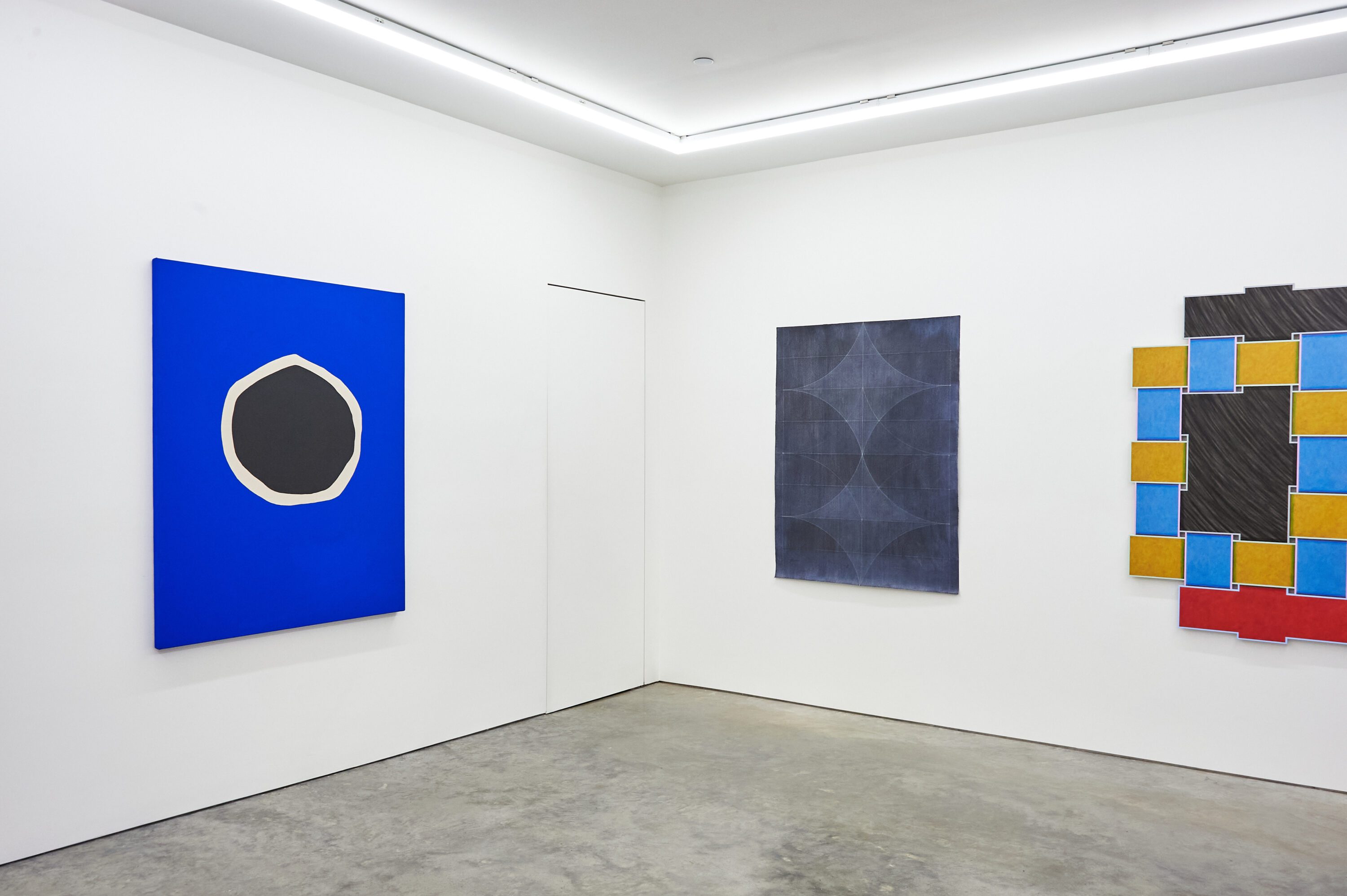
Pope Ariza’s Soul and Nostalgia explore the body, agency, and memory. Soul, which Ariza describes as mirroring the circular motions of tai chi, reflects her senses of rhythm, invites us to step toward a space that seems not so much a void, rather an opportunity, a pulse, a light, an oscillation. In Nostalgia, we’re bound by her recognition that there are unique opportunities to remember, and that those memories can be made eternal, inscribed in our hearts. Soul, more abstract, more esoteric; Nostalgia, more familiar, resonant because we’re connecting to specific experiences. Beautifully, Ariza lets her subject drive her language – with Soul, she tends more toward the abstract. With Nostalgia, she settles into a language that’s both immediate and direct.
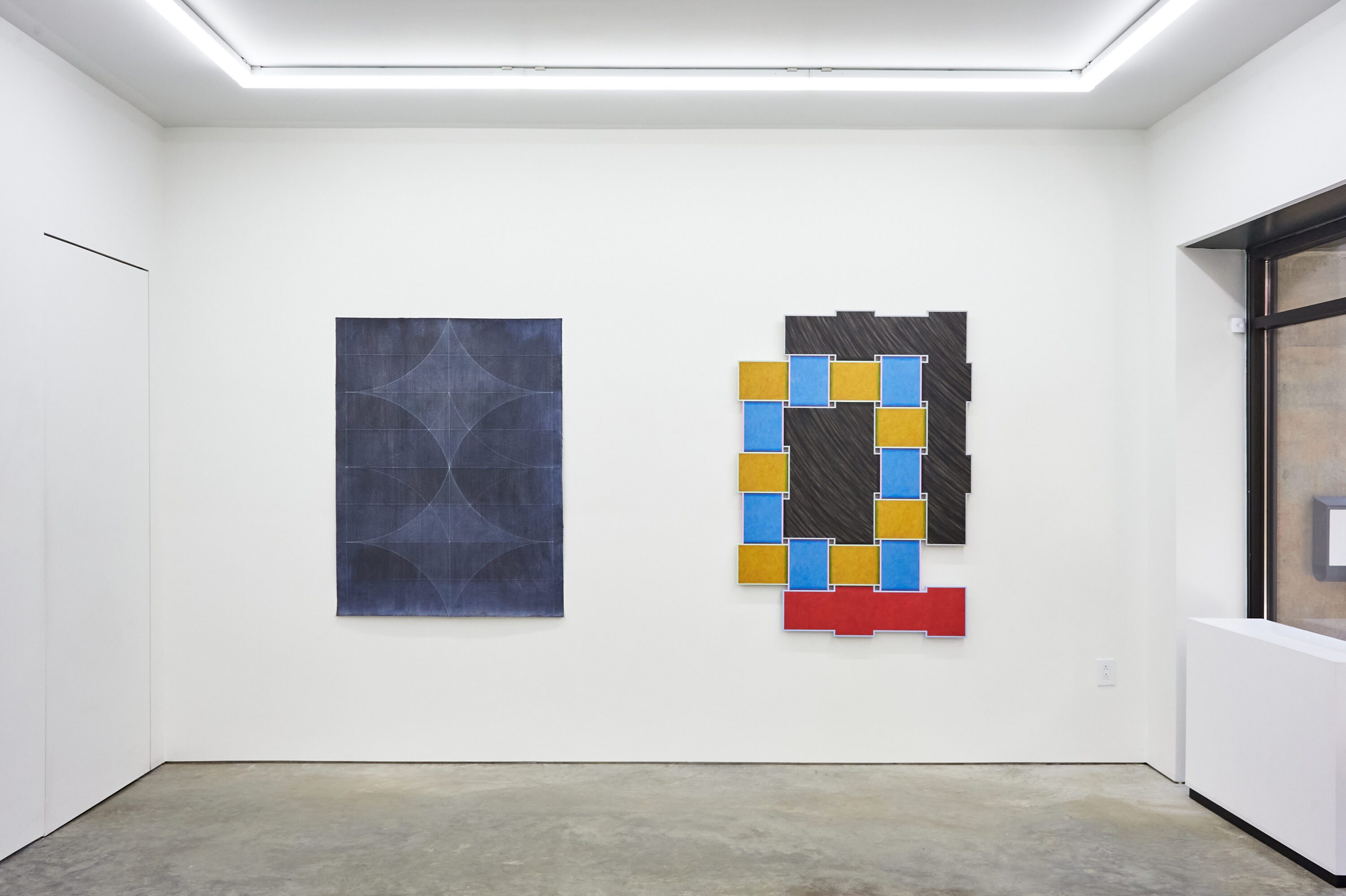
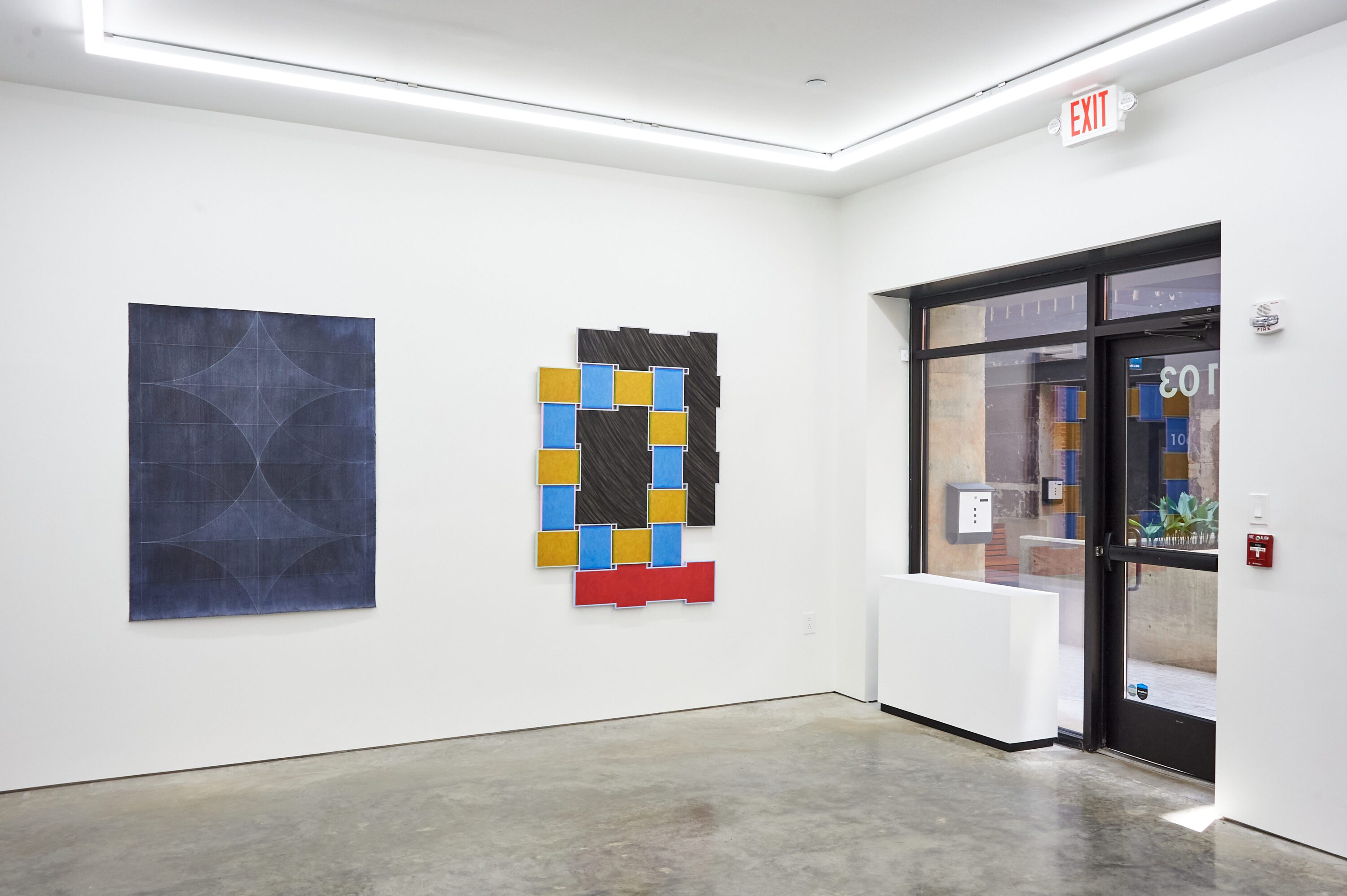
Daniel Byrd’s Kite Surf blends hard-edged geometric abstraction, systematization, color-field painting, and plays on perspective to both question and extend our understandings of repetition and difference. Much as Gilles Deleuze reminds us that “synthesis takes place only in a false depth – that is, in a fictitious third dimension added to the others which does no more than double the plane,” Byrd challenges us to address the implications of rigid geometries and predictable patterns by grounding his bold-colored movement against the depths of a pictorially black ground. This leaves viewers to separate visual priorities, to speculate, to be blown by the wind as one does in the process of…kite surfing.
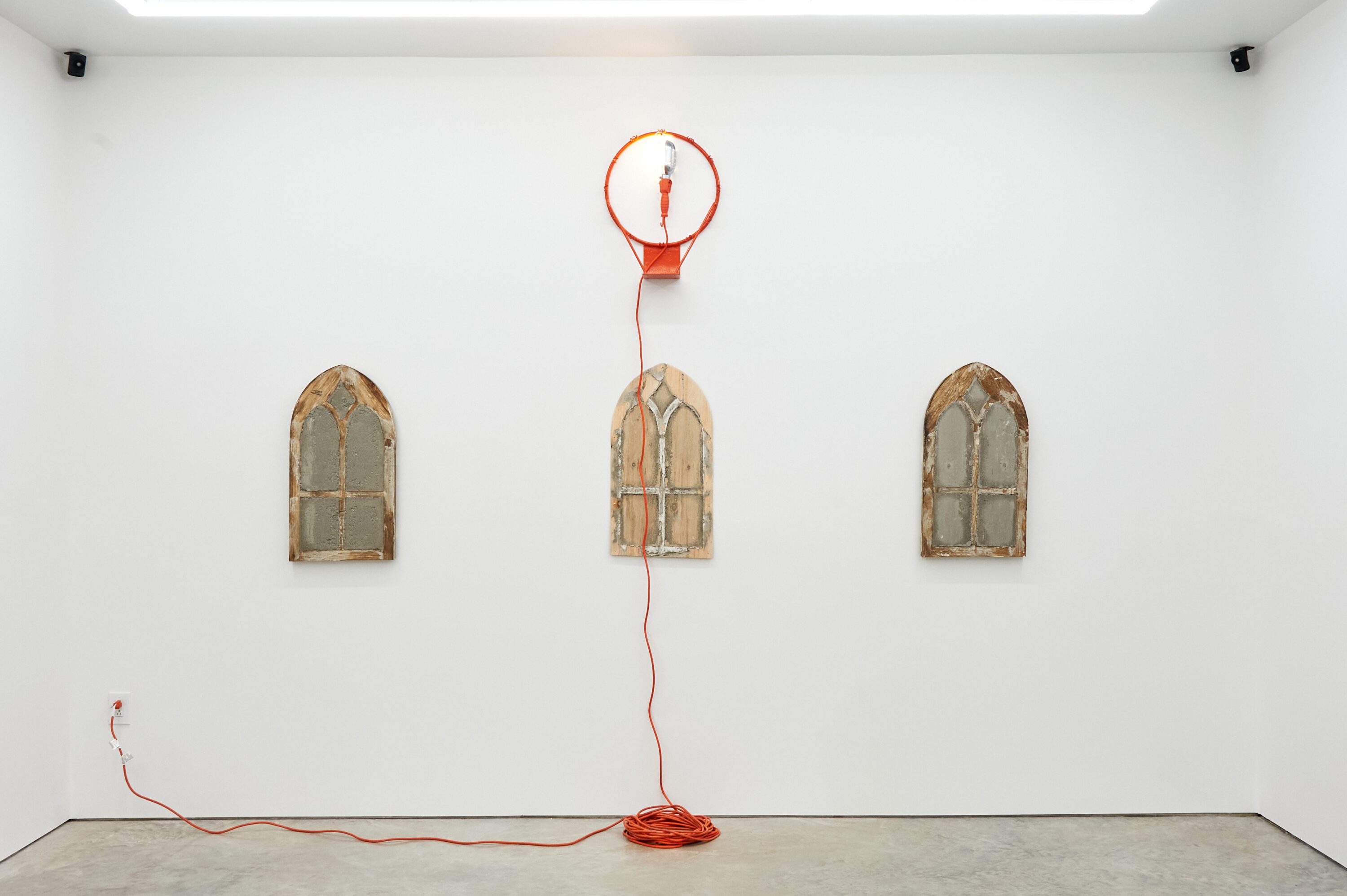
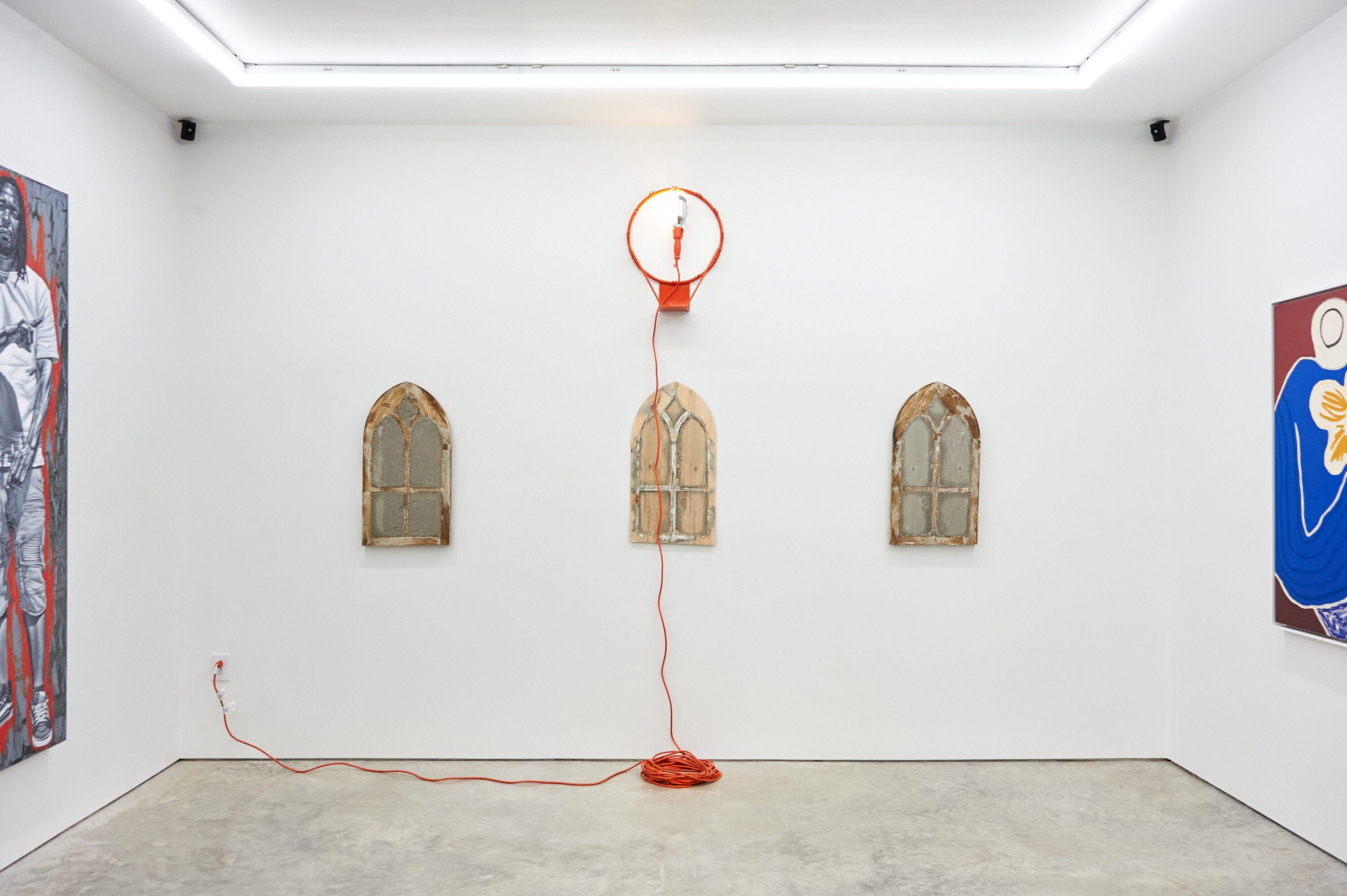
To see Krista Clark’s Still Life No. 3 is to feel as if you’ve stepped into two types of churches: both spiritual, both transformative, both crowned by an ethereal glow. There are three gothic arches, a trinity, what should be openings into or vistas out from a place, a space. Instead, they are opaque, clouded, shrouded in mystery, history, interpretation, bridges from a past to a personal present. There’s that orange cord, that hi-vis aspirational assertion that leads to the basketball hoop, here mounted vertically like a halo, with that light. These are, in her words, explorations of the complicated and at times compromised relationships we have with the built environment. But here, they’re also more – they’re signifiers, tropes, icons. In their displacement – as she describes it – they become fragmentary, dissolving and recomposing to mesh multiple spaces of worship into a singular language to be deciphered.
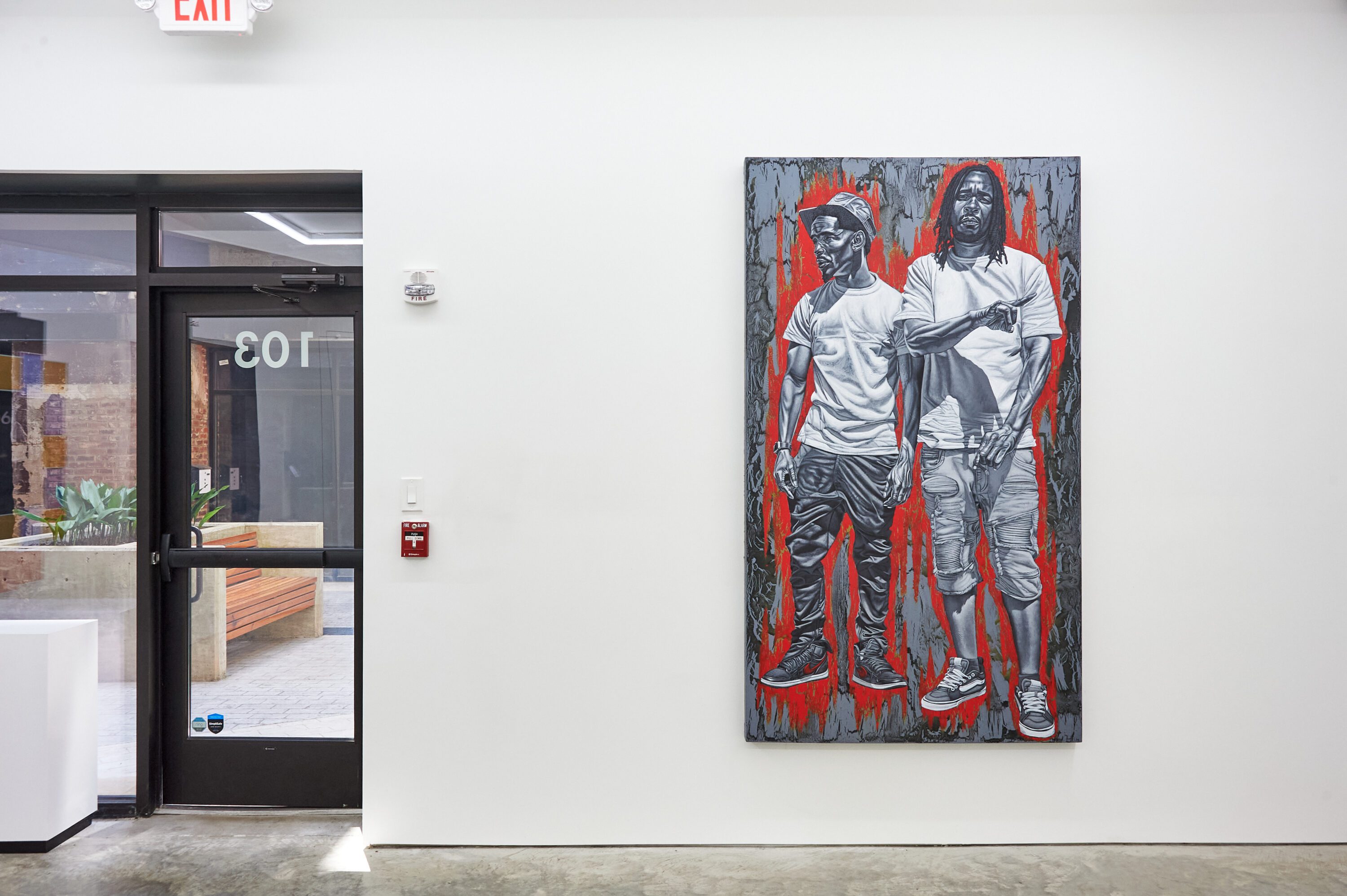
Alfred Conteh brings a delicate combination of gentleness, power, and transparency to these complex doublings. In this human-scale double portrait titled Bred, Conteh invites us to consider reality, humanity, everyday identity, and the sense of self woven through signifiers like crisp, plain white t’s, Van’s, snapback caps, and gestures. He pares the palette back to grayscale, plays with saturation and chiaroscuro, lets an almost hyperreal approach to representation make every muscle ripple, every vein bulge, every eye glimmer, every step fall. That’s power. That’s Conteh, challenging each of us to acknowledge the doublings he’s described as people, cultures, and populations, in his words, fighting on multiple fronts.
Kole Nichols’s Parting Hour challenges our perceptions through his uses and combination of media and techniques. Moving deftly between drawing, printmaking, painting, and sculpture, they invite us to consider whether the parameters of a medium should define the parameters of our perceptions. Nichols’s is a practice in which what’s on the surface – the mark making – and what makes the surface – the media – unify to redefine our understandings of practice. Using dye, gel medium, and acrylic, Nichols creates soft geometries, visual spaces advance and recede, oscillate, blur. His are hard-edged works without hardness, strict geometries without strictness, binary palettes in multiplicity. While we’re led to know grays as intermediate, in Nichols’s works they’re more accurately indeterminate. That’s their beauty, always already both that one thing and its other, but also both and neither. There’s a mid-19th century Currier and Ives lithograph with a similar title, and in many ways what’s so intriguing about Nichols’s work is that it shares those same senses – parting, longing, sorrow, loss – just here wrapped up into soft geometry, and without such a didactic story – though clearly not without a compelling narrative.
Step into I-20 EAST and you may at first imagine works bounded by their relationship with place. In fact, that highway is more an artery, its locations the artists, the movement their pulses, the map their destinations. Whether in abstraction or via the language of directness, Ariza, Byrd, Clark, Conteh, and Nichols invite us to consult our conceptual atlases and determine just where along the road these journeys end.
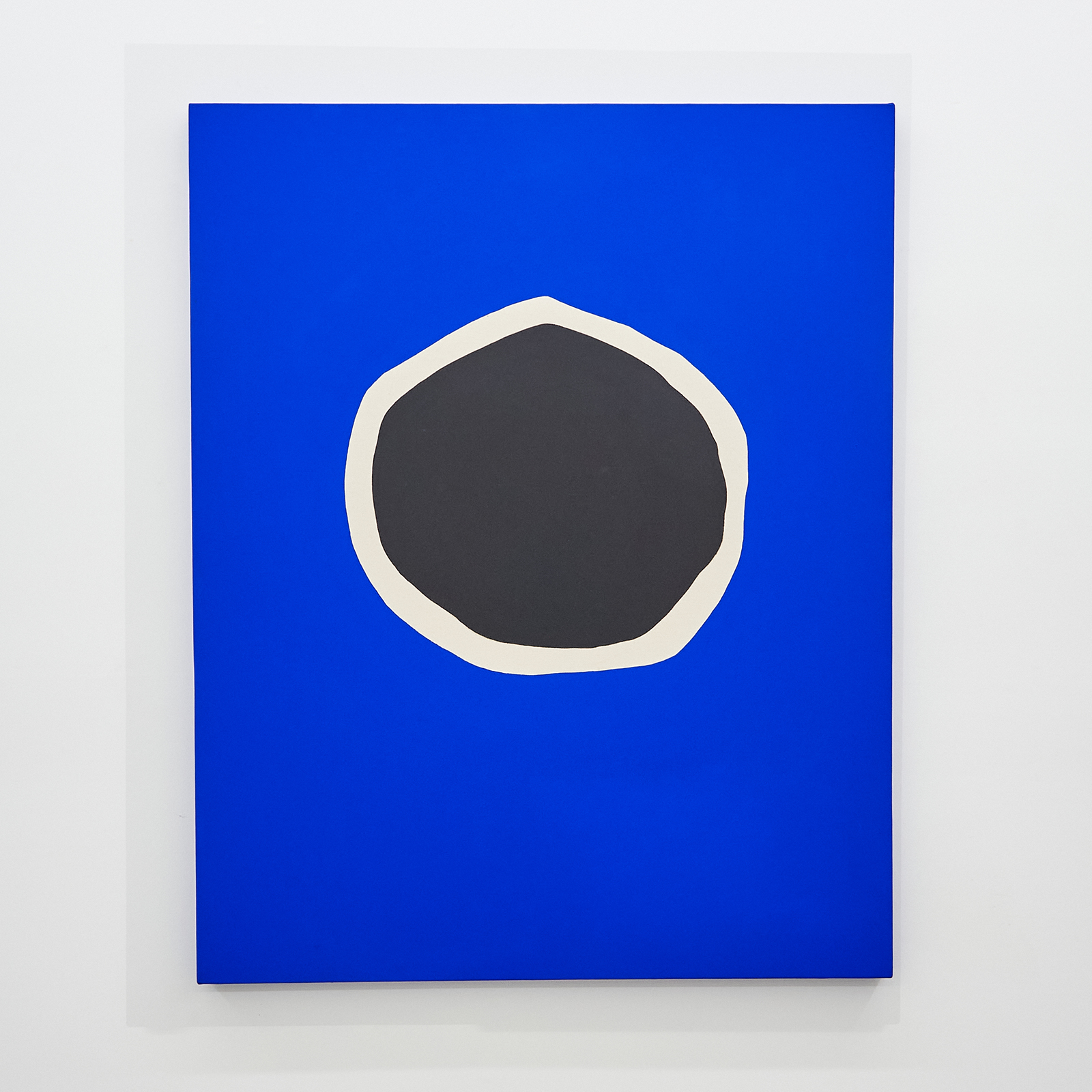
Pope Ariza
Soul
48 x 60 inches
Acrylic and oil stick on raw canvas
2024
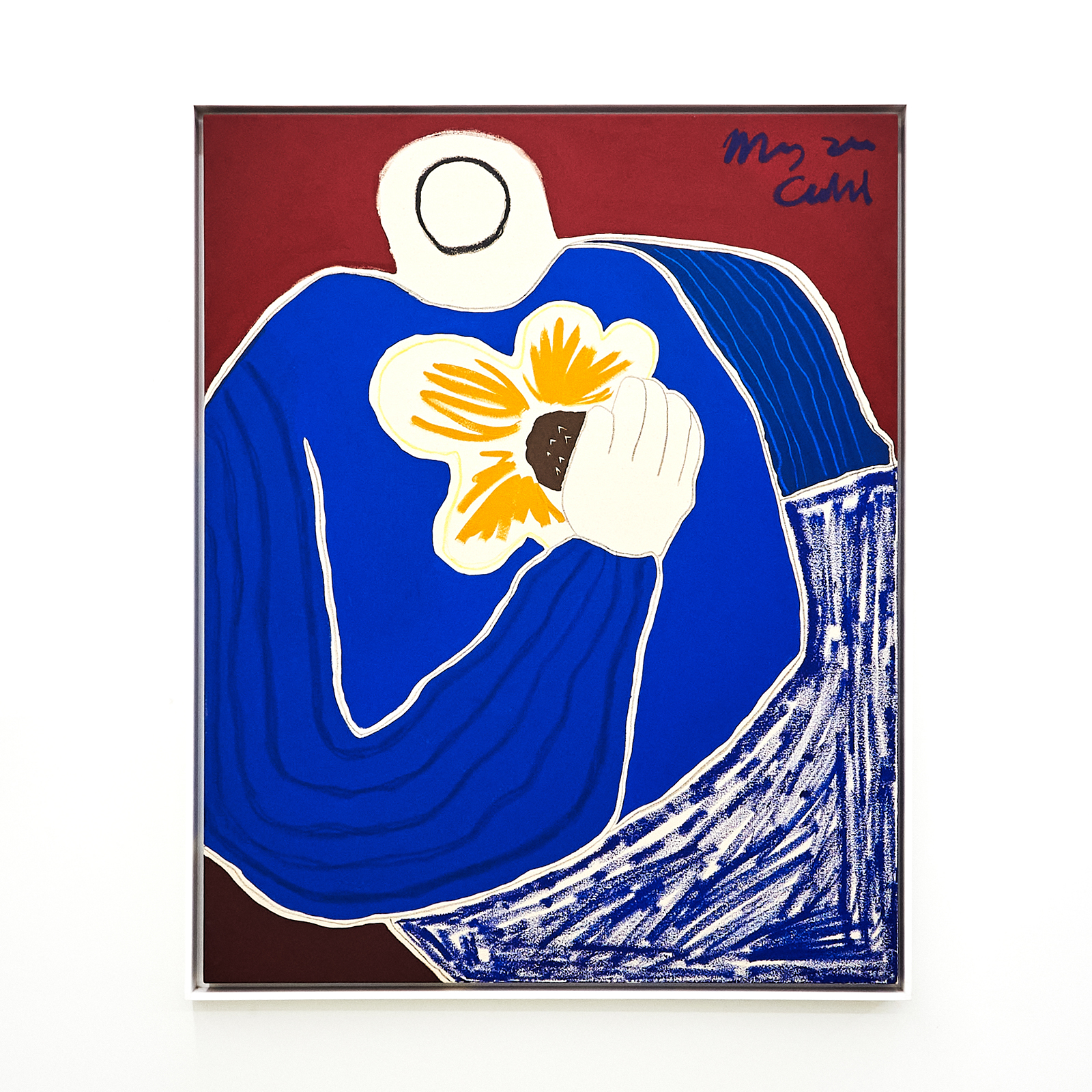
Pope Ariza
Nostalgia
36 x 48 inches
Acrylic and oil stick on raw canvas
2024
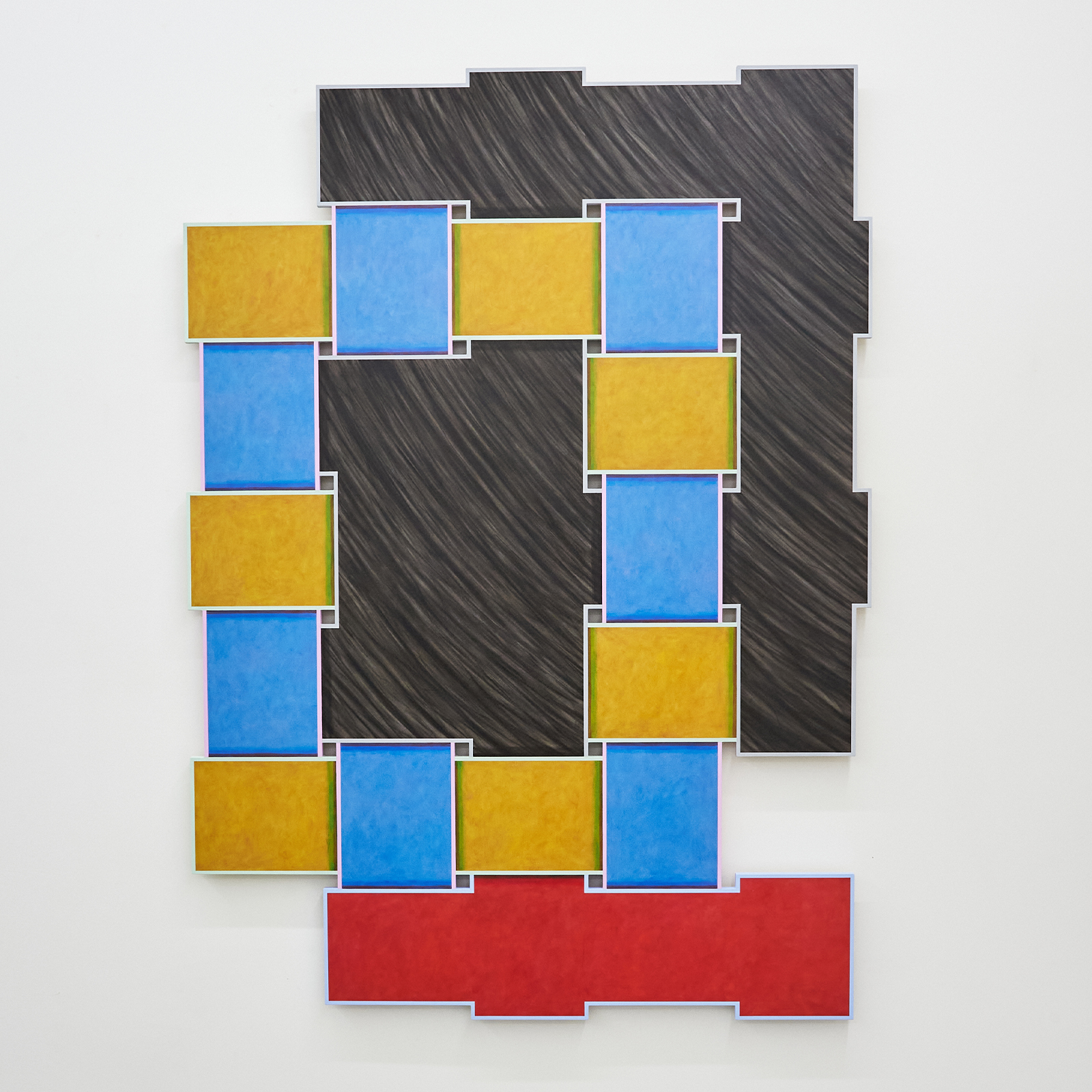
Daniel Byrd
Kite Surf
64 x 64 inches
Acrylic on paner
2024
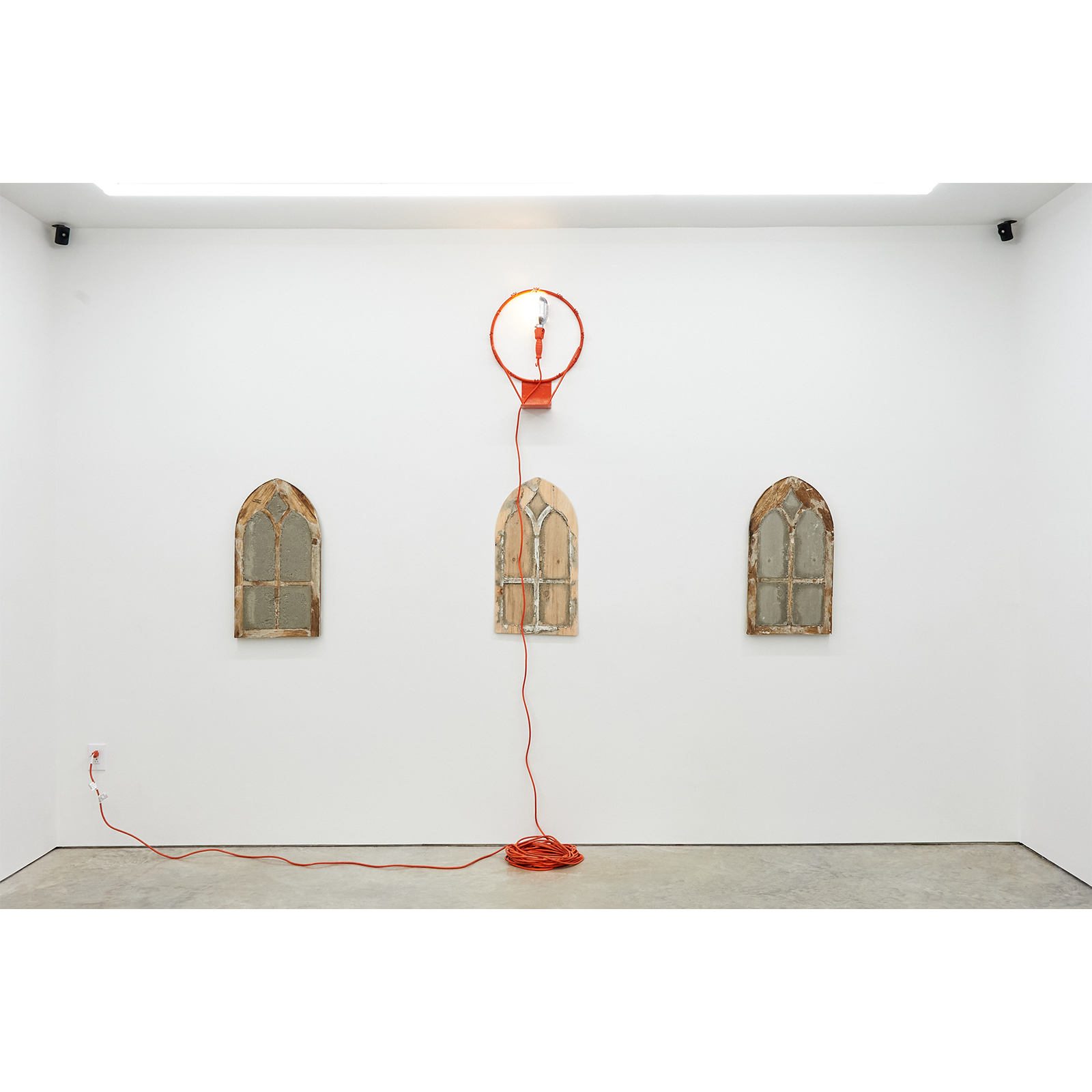
Krista Clark
Still Life No. 3
Dimensions variable
Concrete, wood, work light, basketball hoop, and extension cord
2022
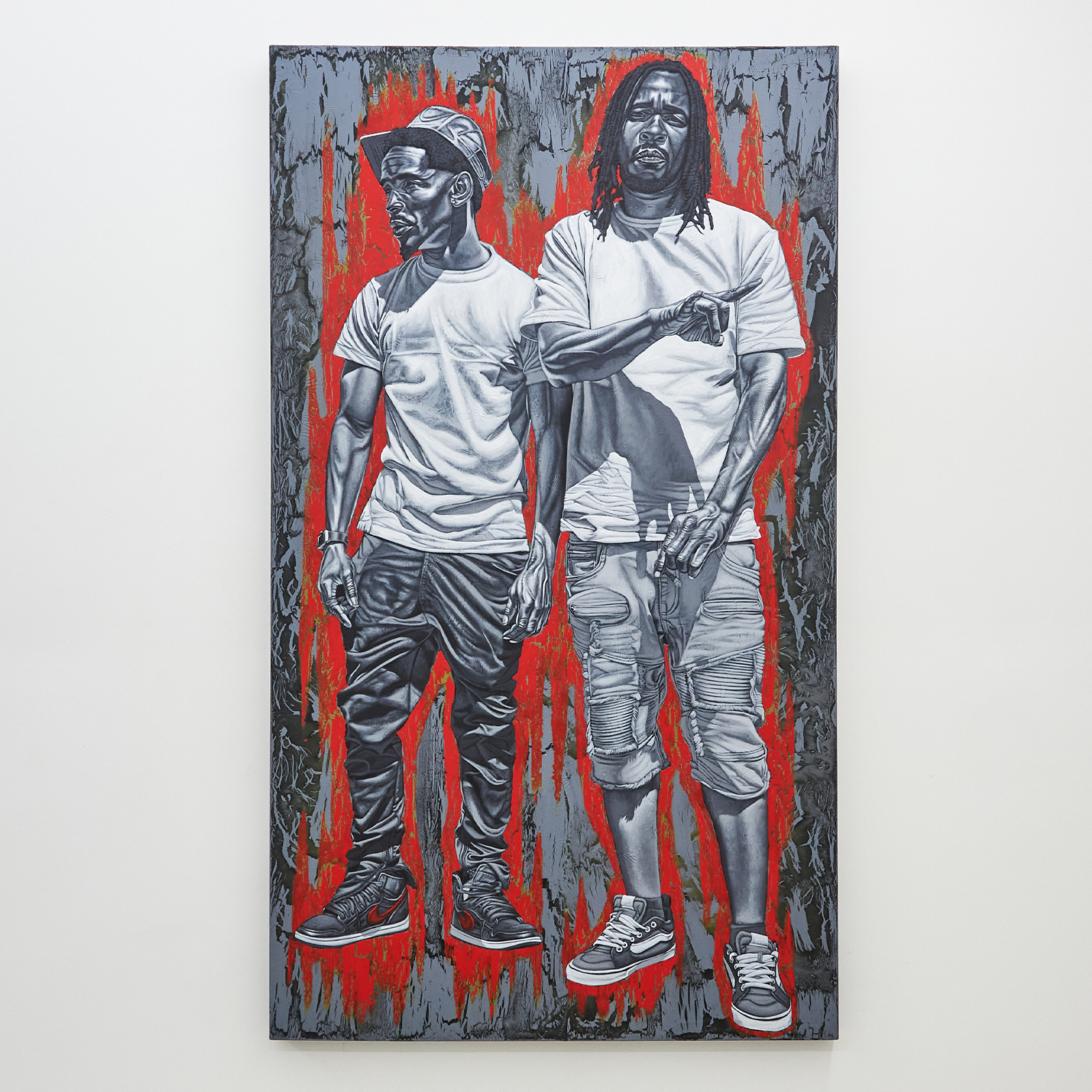
Alfred Conteh
Bred
84 x 48 inches
Acrylic and urethane plastic on canvas
2024
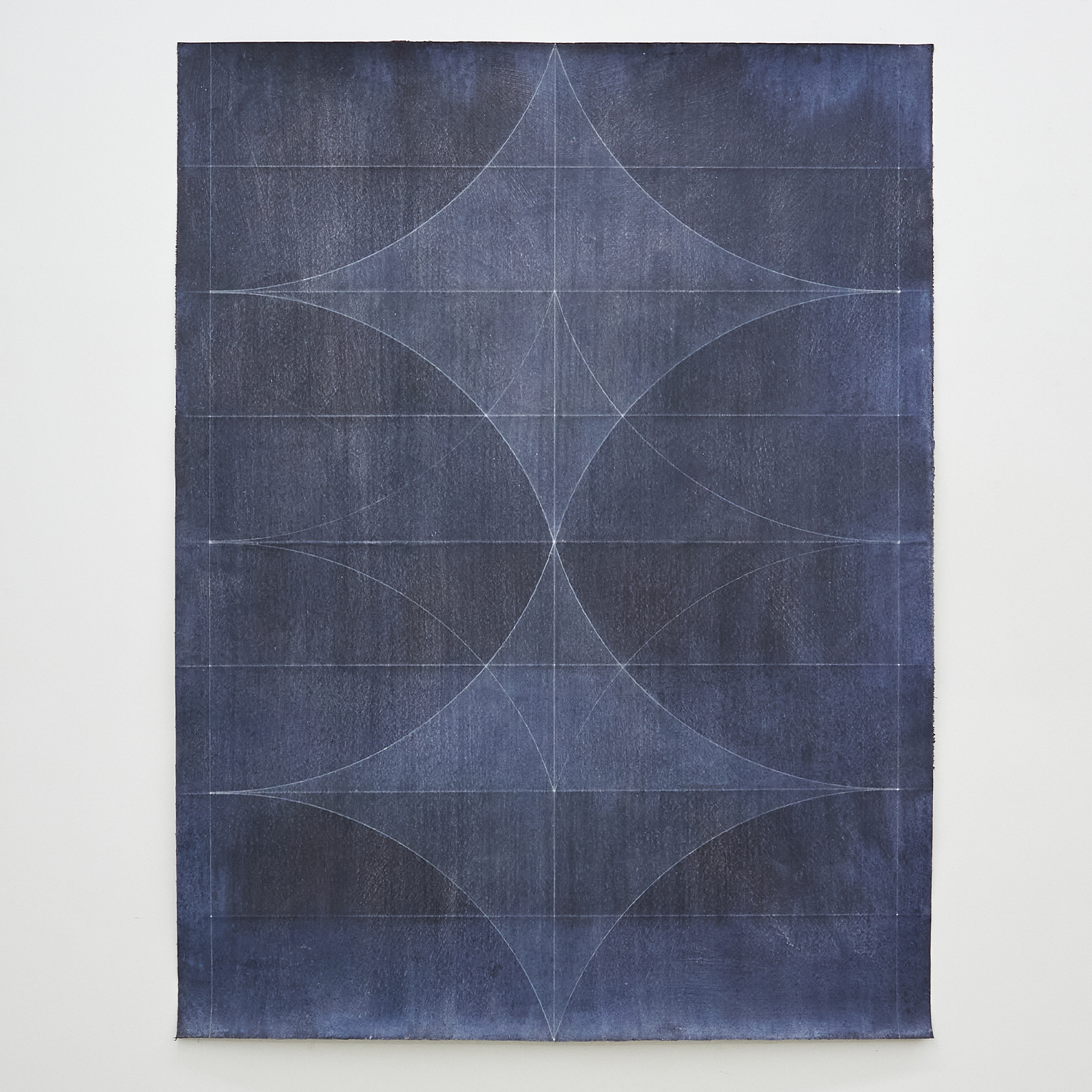
Kole Nichols
Parting Hour
45 x 59 inches
Ink, acrylic and gel medium on canvas
2024