
New York Women Abstract Artists
Vered Lieb | Beatrice Mady
Reneé Hanan Plata | Claire Seidl
Michal Shapiro | Joan Thorne
Kim Uchiyama
February 7 – March 8, 2025
Men and women have been making abstract art for a little over one hundred years. Yet, the term “abstraction” can be a highly charged word for people. What exactly does it mean to be “abstract”? “What exactly am I supposed to be seeing when I look at an abstract work”? “What am I supposed to feel when I see this kind of work.” I think these are all valid and intelligent questions.
Women have been making abstract art in many forms, if you had a grandmother or mother who made quilts for instance, they were most likely composed of geometric designs of an abstract nature. Quilts sometimes have figures of people or animals in them, or shapes of flowers, but they have been simplified to the point of abstraction. I would suggest that we approach looking at abstract painting in the same relaxed manner as you might view a quilt.
Quilts were usually made by several neighbors or a circle of friends, each contributing a piece or several to the finished blanket. Each person usually had developed over time a unique yet beautiful stitch. Decades before the sewing machine, women worked hard to create remarkable stitching capabilities and made dresses and ball gowns for the nobility as well as for their own families. They also embroidered and, in some cases, pulled their own yarn and dyed it themselves. But the main rule of quilting was to produce a special item that had a single unified (no holes) surface.
Each of the women artists in this exhibition is like a quilter. And we have assembled artists here who each approach that “quilt” in their own way. Instead of stiches they have worked hard on their brush strokes. Yet they share similarities because they are all turning out a unique object that has a unified surface and may have geometric elements in it., or slightly figurative imagery that is very abstracted.
So, after looking at the painting from the front, I would ask you (the viewer) to go up to the painting and get a good look at the surface and consider how it was made. From looking at the surface you will see that some are raised and some are flat. Some were achieved by using tape to make straight edges; others are composed of many strokes, short or long, some look smooth, and some look like peaks of icing on a cake.
Consider then the color or colors in the painting. The painting might appear to be one main color, or you might see outlined areas of color. Some may actually be blocks of color. Some of it may be a color that can only be produced by applying many layers of paint until a certain overall sense of color is achieved. Then consider the spacing of the color. In Kim Uchiyama’s paintings she lays down simple stripes of color yet looking at them they appear to jump out at you or, in turn, recede. How is that possible? Is it due to some extent to the areas she leaves blank where the canvas is bare? Are the bare areas so vulnerable and tender, providing us with a peek into the design choices an artist makes?
Color can only exist as a form of light. Without light there is no color, only darkness. All of the artists here are consciously manipulating color to create a sense of light that is very specifically their own. With Kim Uchiyama it is a sunny Mediterranean light. With the paintings of Beatrice Mady, it is a highly personal and emotional light that is moody and transitions, as do our emotions, in shades she modulates across the whole surface. Her work takes us to dreamlands or faraway places in the heart. Claire is a mark maker. Joan Thorne and Claire Seidl use their paint brushes to masterfully set down many fantastic lines of color that build up to a sense of visual excitement as if the painting had no boundaries and could go on forever.
Some of Michal Shapiro paintings have raised surfaces and some smooth, created by piecing together painted cut out shapes like a jig saw puzzle. Viewing each shape up close you can see it is like a small painting in itself, but as you get further away you can see that her mosaic works much like a quilt and hangs as a whole unit and is an exuberant ode to life in her unique form of collage.
Reneé Platas’ work is closest perhaps to the idea of a quilt and yet it is not your grandmother’s quilt! Reneé marks the passage of time in blocks and there is a great deal of joy to be found in the outlying defining bands of color that change color suddenly in the middle or at some unexpected intersection. Is she sharing an insight into how hard it is in real life to reach a single goal without getting side tracked?
Love and relationship between form and field dominate my work. I am trying to make the field as active as the forms, the space between the forms has to be dynamic. No matter how reductive I get, the gesture is still there. My two triangles move apart and together like people meeting and retreating, almost touching, overlapping or running away. Painting is very much about “touch” for me.
Here are just a few clues to viewing abstract painting, or perhaps any work of art?. Color can convey emotions. Facility of line making and how the artist lays down the paint create unique surfaces with no two alike. But what makes this an important show is the dynamic quality of each of the artist’s work that is able to convey, in highly refined terms: energy, conflict, and the eternal openness of life itself that is incomplete and inconclusive as our reality actually is if you think about it. So should you walk away from this show feeling you have experienced something, then perhaps the “abstract” is not so very removed from all of us or hard to understand. Consider the exhibition as a whole to be a quilt made up of the display of seven highly successful yet personalized approaches to American abstract expressionism.
I was encouraged to undertake this exhibition project with the support received from Thornton Willis and William Dooley for which I am truly grateful.
Vered Lieb
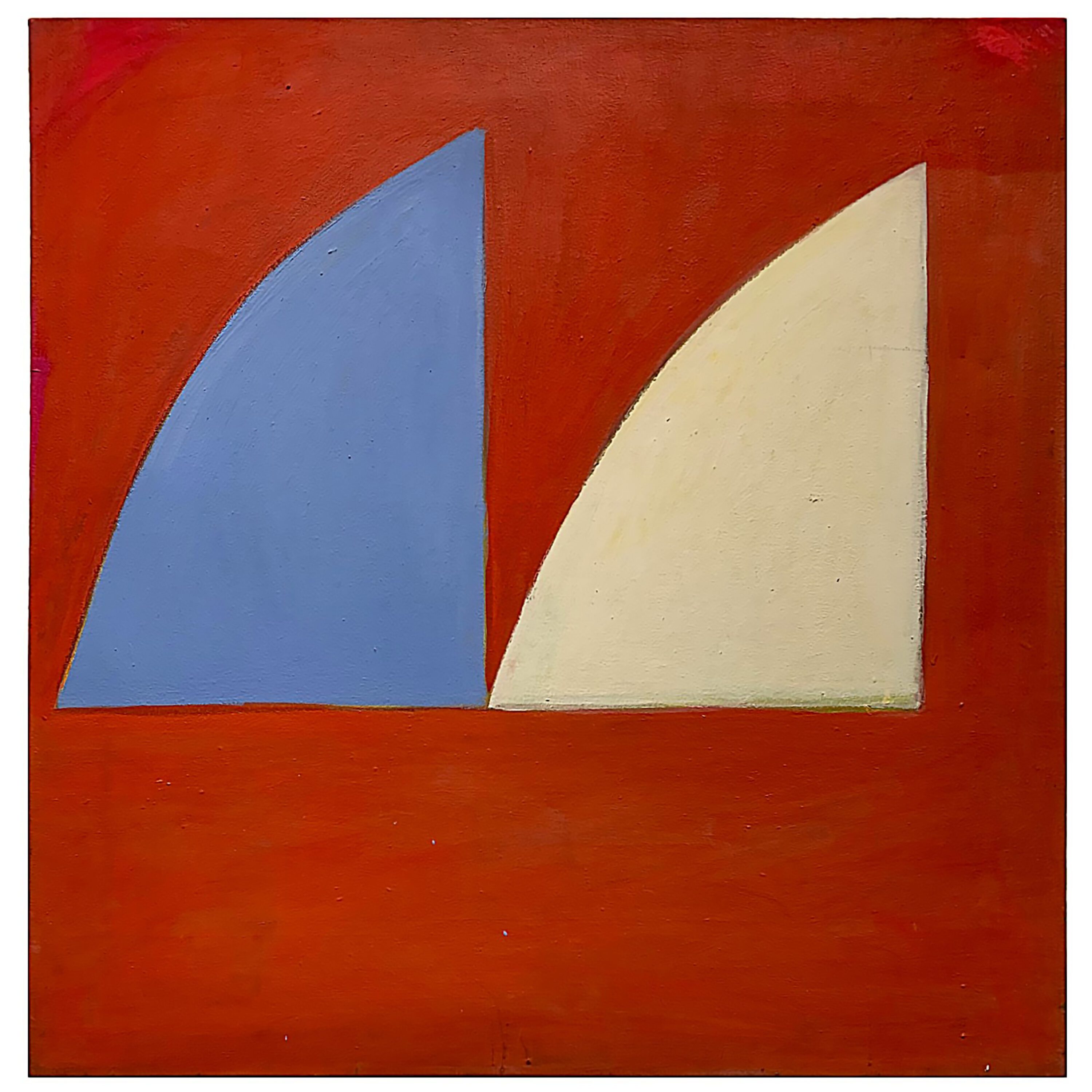
Vered Lieb
Good Weather
36 x 36 inches
Acrylic on canvas
1980
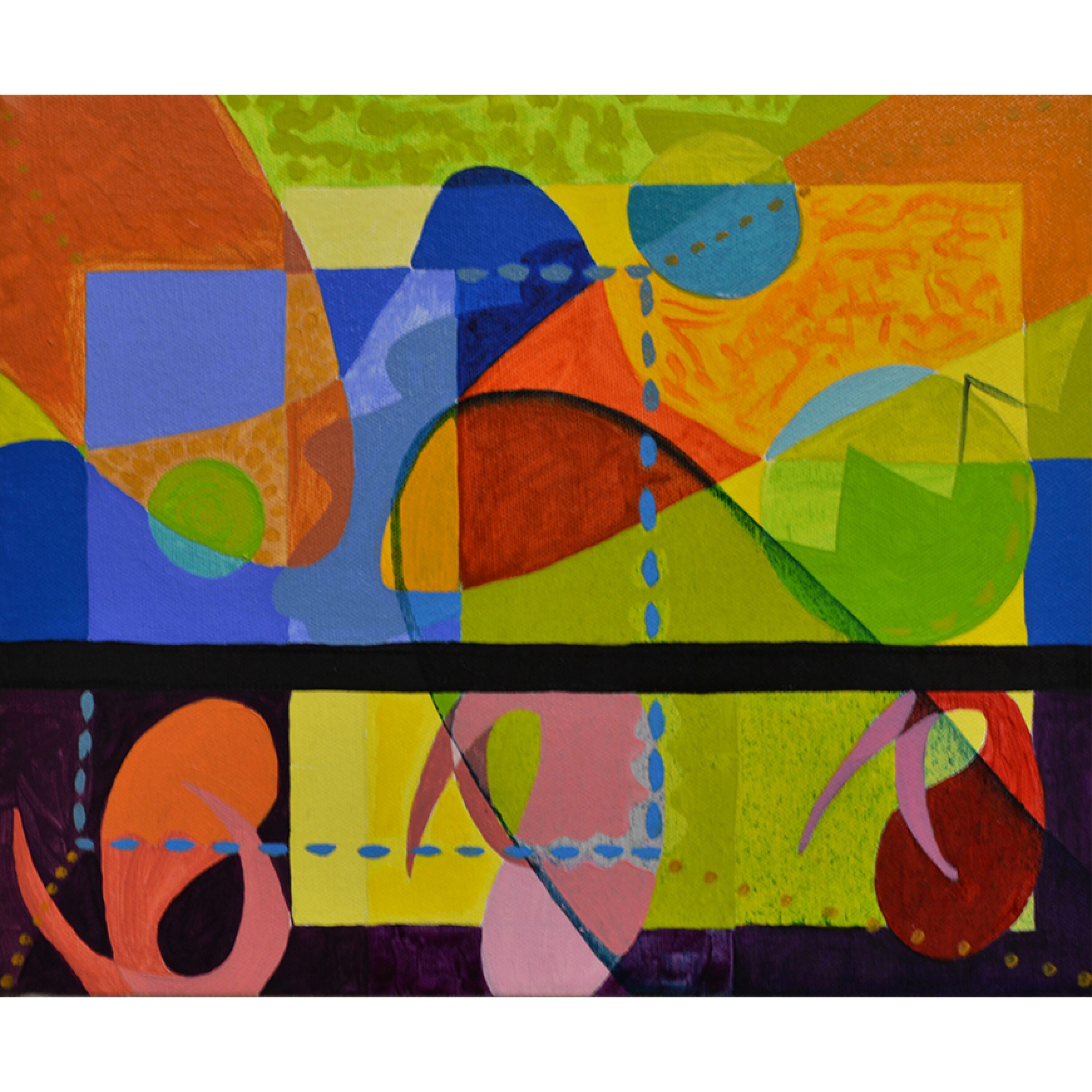
Beatrice Mady
White Clouds
10 x 12 inches
Oil on canvas
2002
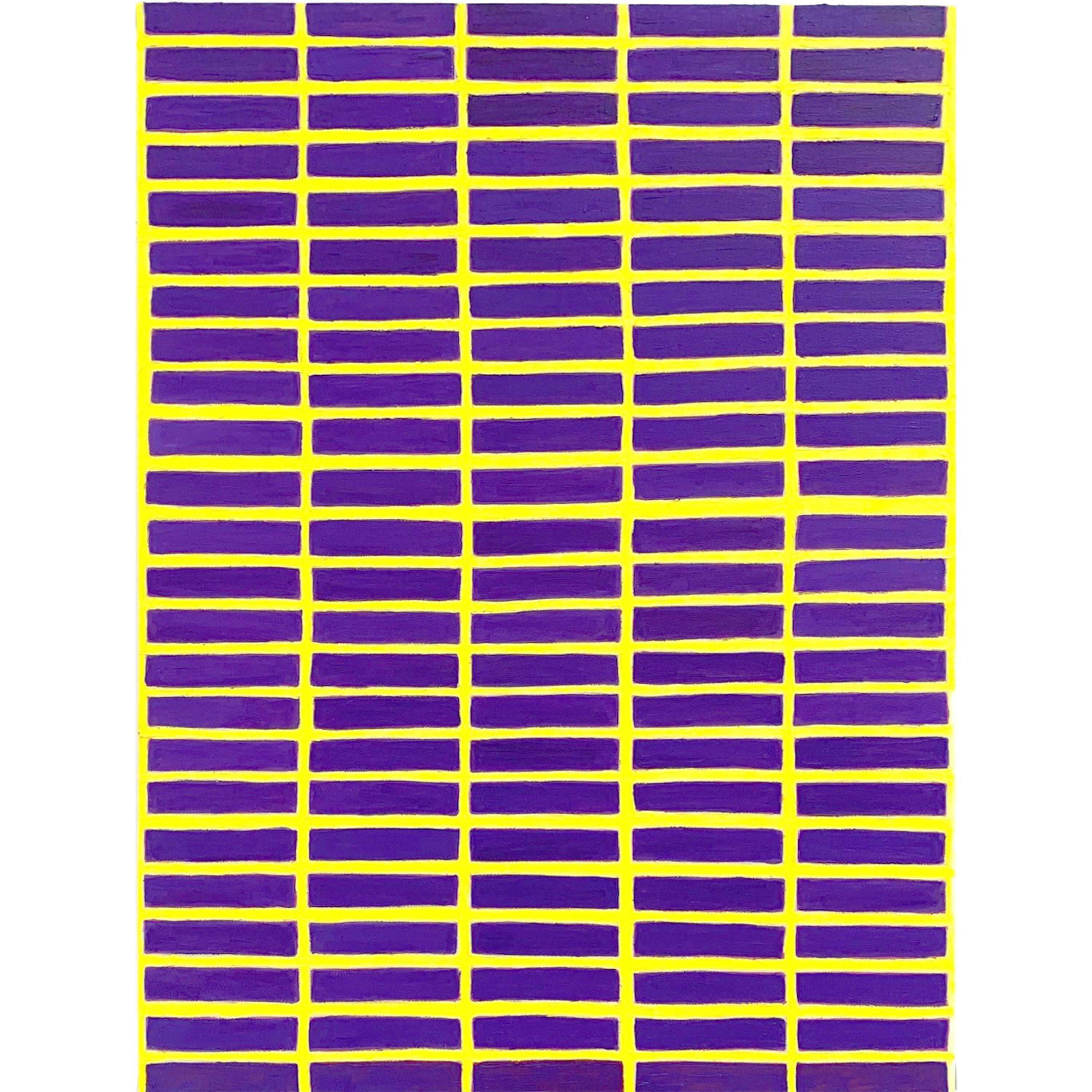
Renee Hanan Plata
Yee
40 x 30 inches
Oil on canvas
2024
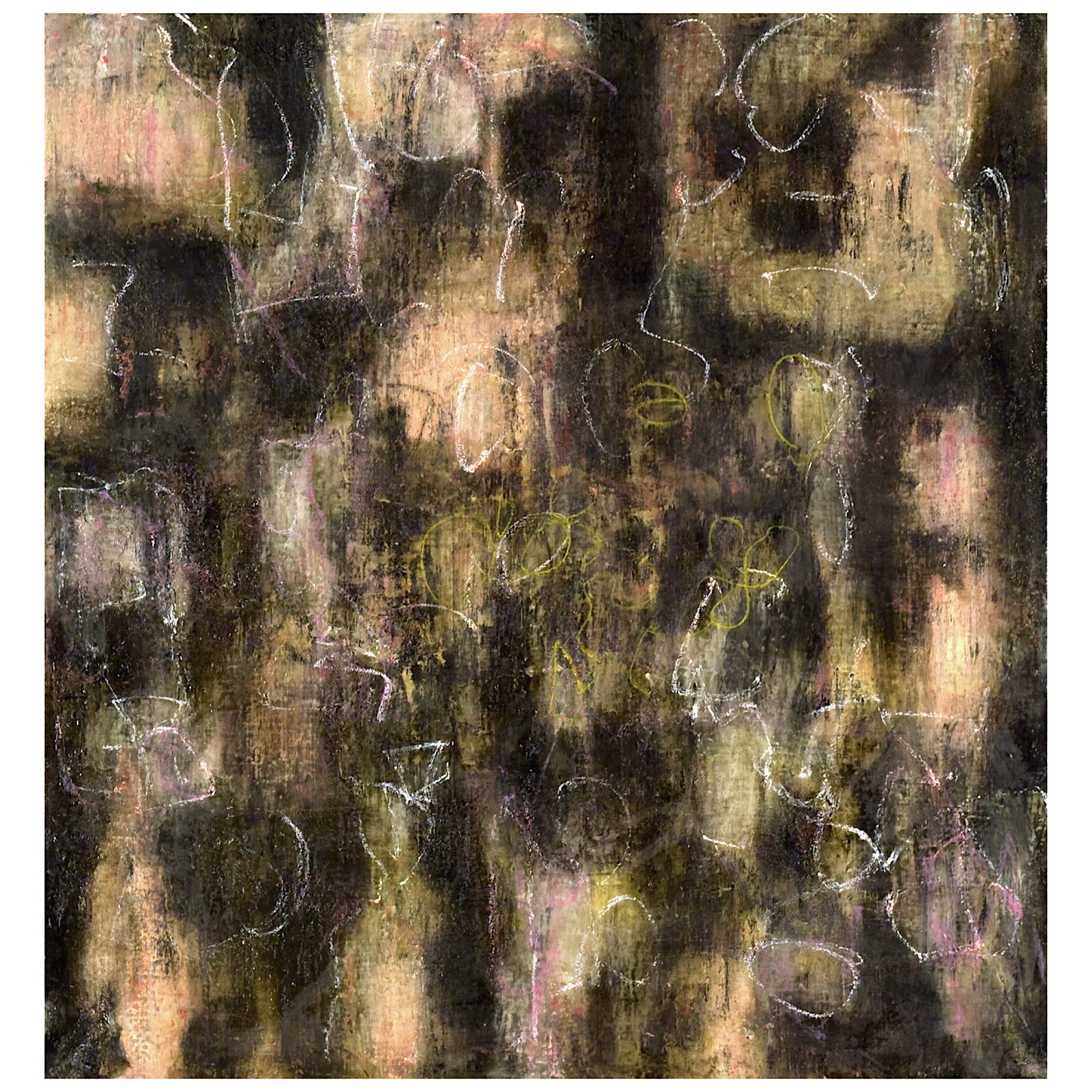
Claire Seidl
Don’t Be a Stranger
30 x 28 inches
Oil on canvas
2010
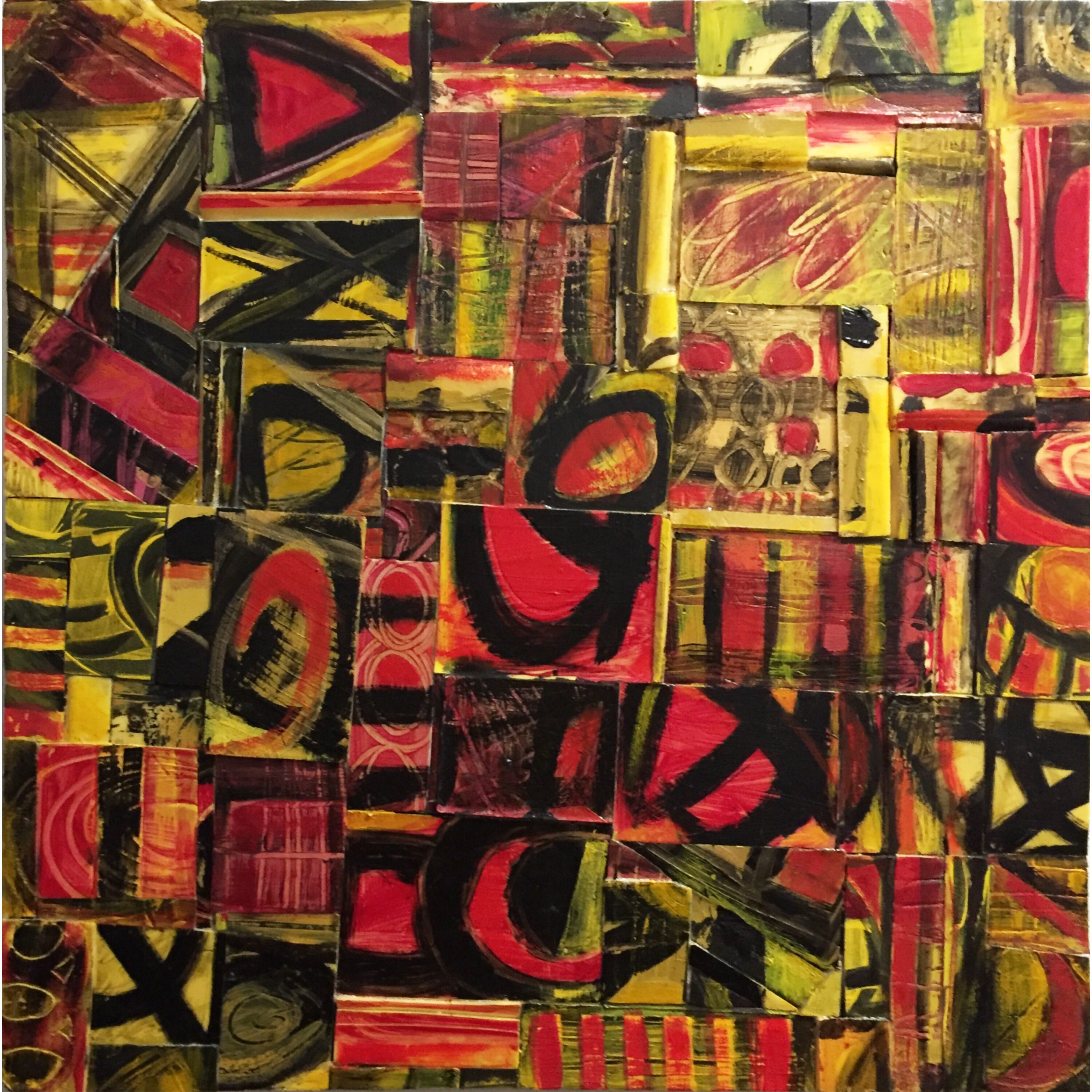
Michal Shapiro
Rush Hour
24 x 24 inches
Mixed media on canvas
2014
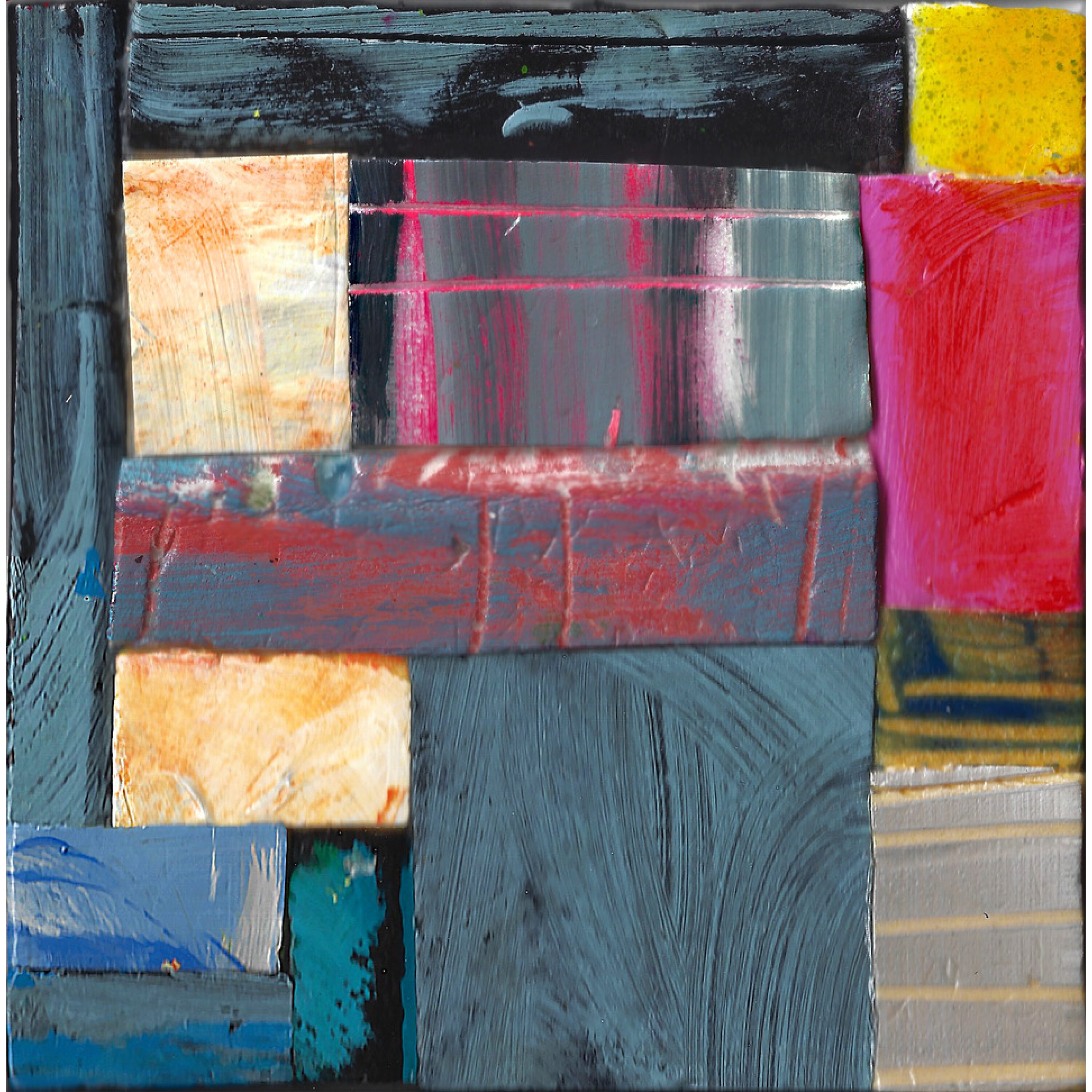
Michal Shapiro
Pier Pressure
6 x 6 inches
Mixed media on canvas
2024
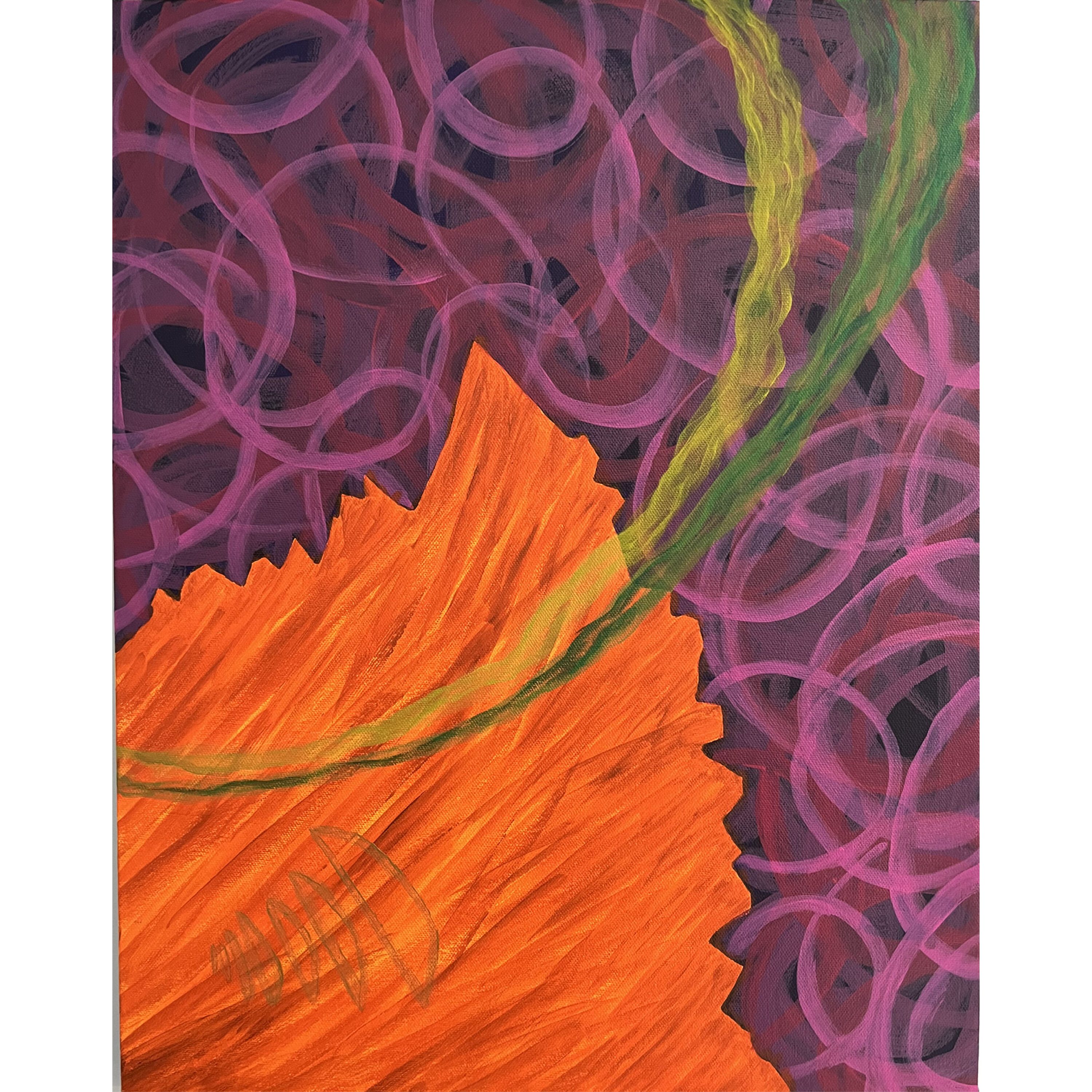
Joan Thorne
Enchanted
20 x 16 inches
Acrylic and oil on canvas
2024
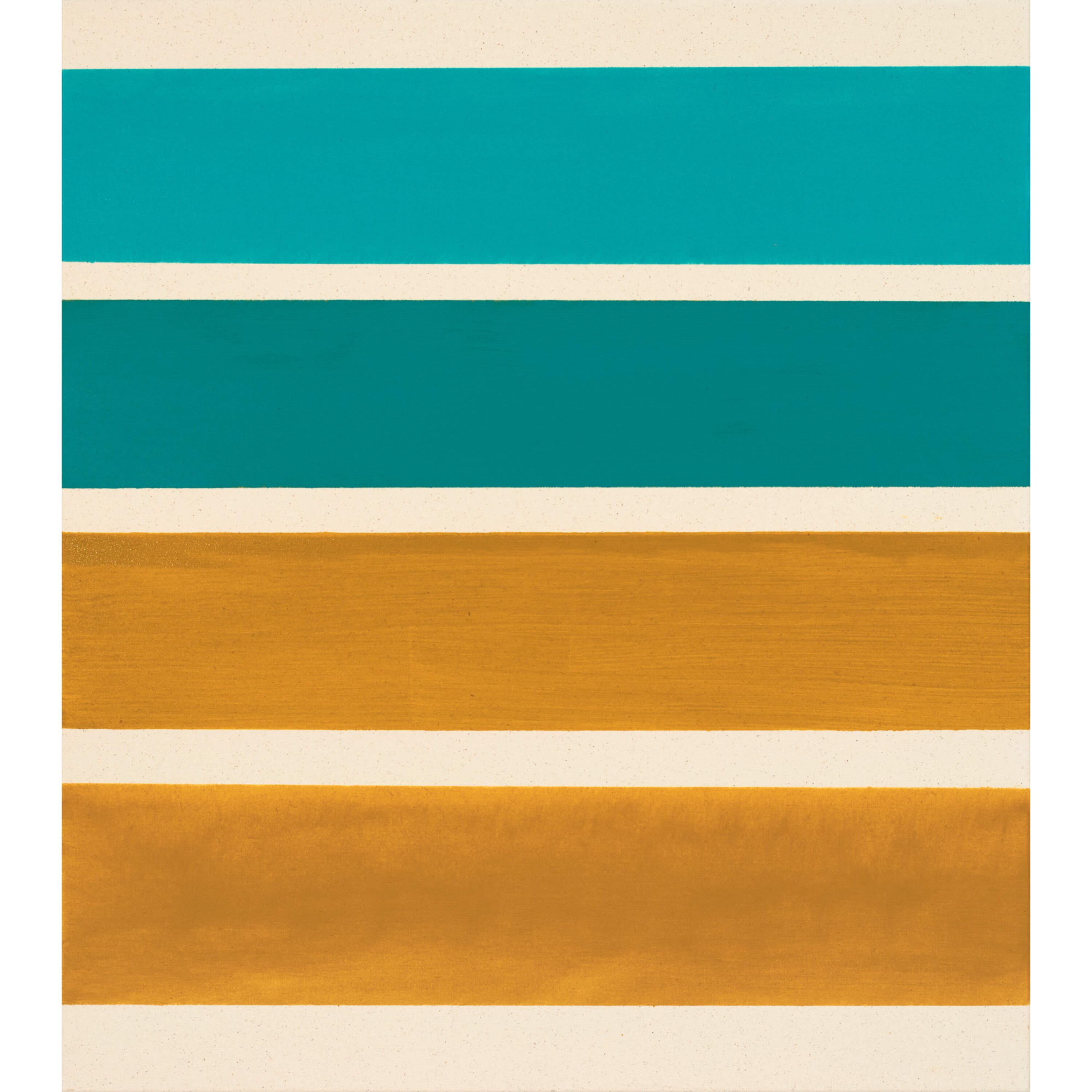
Kim Uchiyama
Agrigento
34 x 30 inches
Oil on canvas
2020
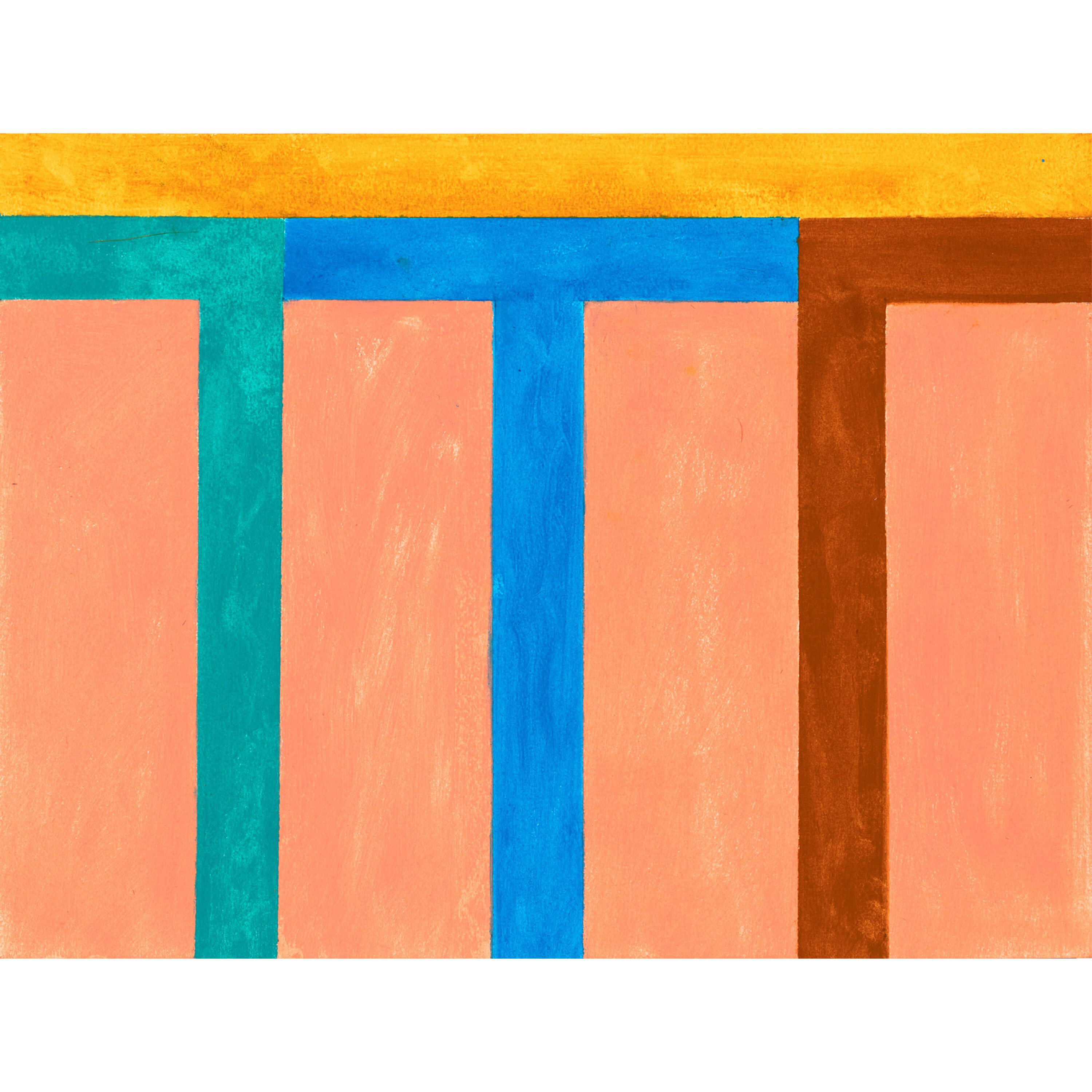
Kim Uchiyama
Blue T
12 x 16 inches
Oil on Arches paper
2024